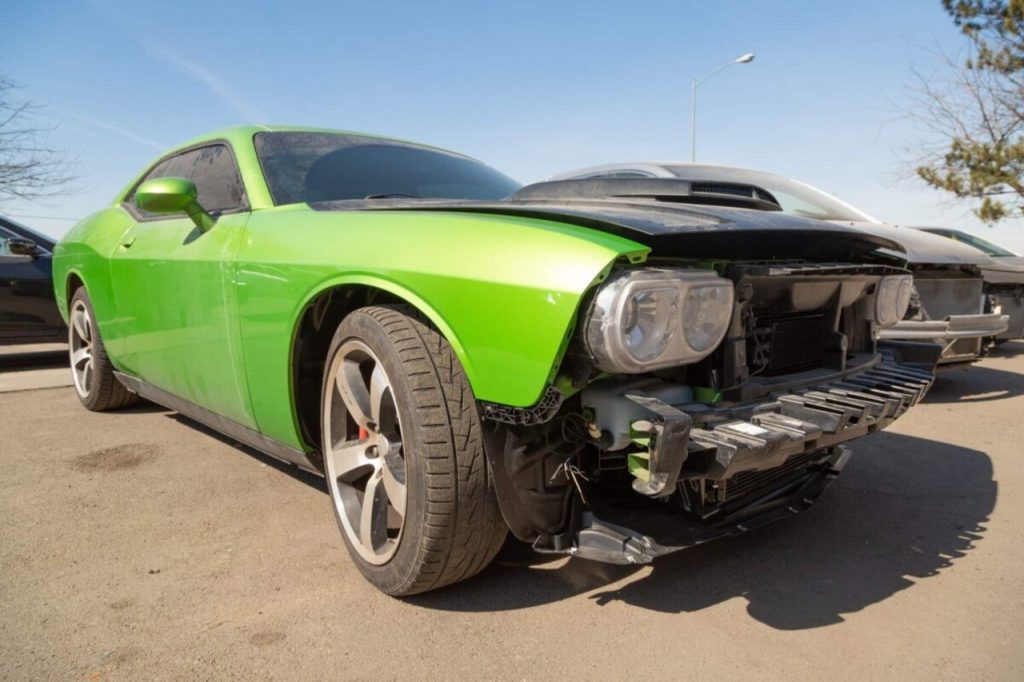
The car looks okay. Maybe there’s a dent or two, a scuffed bumper, some paint transfer. You drove it home from the scene, and it seems to run fine. But something feels a little off. The steering pulls slightly to the right. A door doesn’t close quite the way it used to. There’s a vibration at highway speeds that wasn’t there before.
Those feelings are worth paying attention to. Frame damage doesn’t always announce itself with a crumpled hood or a car that won’t start. It can hide underneath a vehicle that looks, on the surface, like it came through a collision just fine. And when it goes unaddressed, it affects two things that matter a lot: your safety on the road and what your vehicle is worth when it’s time to sell or trade.
This article walks through what frame damage actually is, how to recognize it, what proper collision frame repair involves, and why getting it right the first time is one of the most important decisions you’ll make after an accident.
In this post, you’ll learn:
- What your vehicle’s frame does and why it’s central to crash safety
- The visible signs and driving symptoms that suggest frame damage
- What separates a real structural repair from a patch job
- How unrepaired vehicle frame damage affects your car’s resale and trade-in value
What Your Vehicle’s Frame Actually Does
Most people think of the frame as the skeleton of the car. That’s a good starting point, but it undersells what the frame is actually responsible for.
The frame, or unibody structure in most modern vehicles, is the foundation of your car’s passive safety system. It’s what holds every other component in its correct position: the suspension, the steering, the engine, the body panels. When the frame is straight and true, everything attached to it works the way the manufacturer designed it to work.
It’s also what protects you in a crash. Engineers build specific areas of the frame, called crumple zones, to absorb and redirect collision energy in a controlled way. These zones are designed to deform during an impact, but to deform in a calculated direction that channels force away from the passenger compartment. That’s not an accident. It’s the result of years of crash testing and engineering.
When those crumple zones have already been compromised in a previous collision and haven’t been properly restored, the vehicle no longer performs as designed if it’s hit again. The energy that was supposed to go somewhere safe has nowhere predictable to go.
How to Tell If Your Frame May Be Damaged
Some signs of vehicle frame damage are visible. Others you feel while driving. A few are warning signals that warrant getting the car inspected right away, before you put more miles on it.
Visible signs to look for:
- Uneven gaps between body panels, especially along the doors, hood, or trunk lid
- Doors, hood, or trunk that don’t close properly or feel misaligned
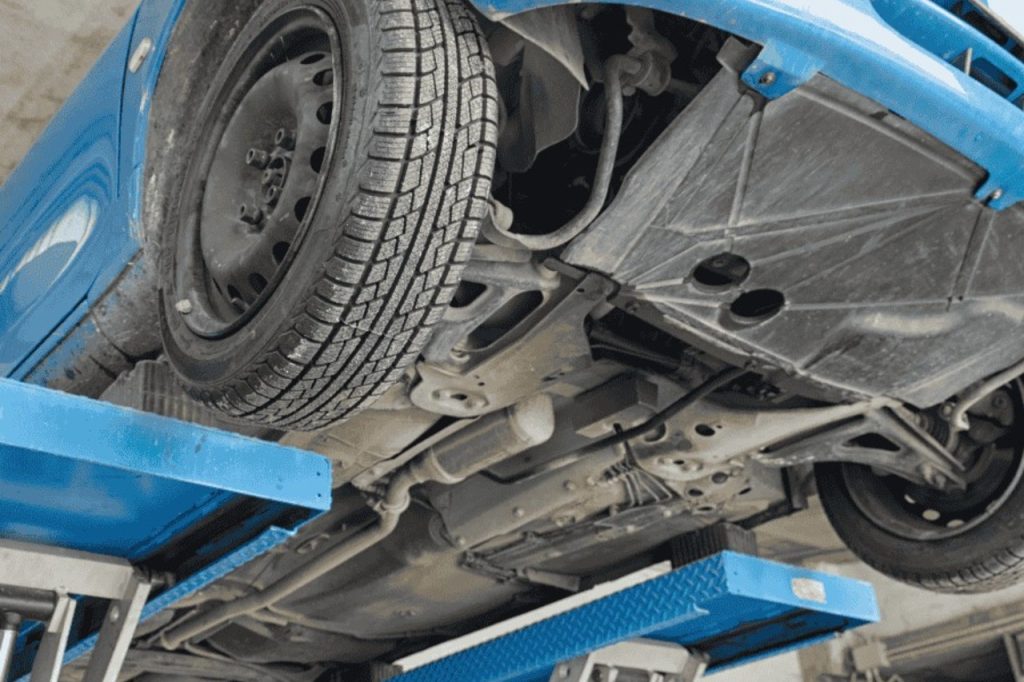
- Visible bends, kinks, or creases in the frame rails underneath the vehicle
- Wheels that look misaligned when you view the car from the front or rear
- Crumpled or buckled areas under the front or rear of the vehicle
Driving symptoms that suggest a structural problem:
- A consistent pull to one side on a flat, straight road
- Unusual vibrations or shaking at highway speeds or during braking
- A steering wheel that sits off-center when you’re driving straight
- Uneven or rapid tire wear on one side
- Creaking or popping from the suspension over bumps
Warning signs that call for immediate inspection:
- Your airbags deployed in the collision
- Fluid leaks (coolant, oil, or transmission fluid) that started after the accident
- Visible damage to suspension components like bent control arms or a collapsed wheel corner
- Cracked glass that wasn’t directly impacted
- Dashboard warnings related to ABS, stability control, or steering sensors
That last category matters because modern vehicles have sensors mounted to or near the frame. When the frame shifts, even slightly, those sensors can start reading abnormal data. Computerized frame-measuring systems can detect deviations of just a few millimeters from manufacturer specifications, and deviations that small can affect handling, safety system function, and long-term component wear. You can’t eyeball that kind of precision.
Minor vs. Major Frame Damage: What’s the Difference?
Not all frame damage is the same, and the distinction matters for understanding your repair options.
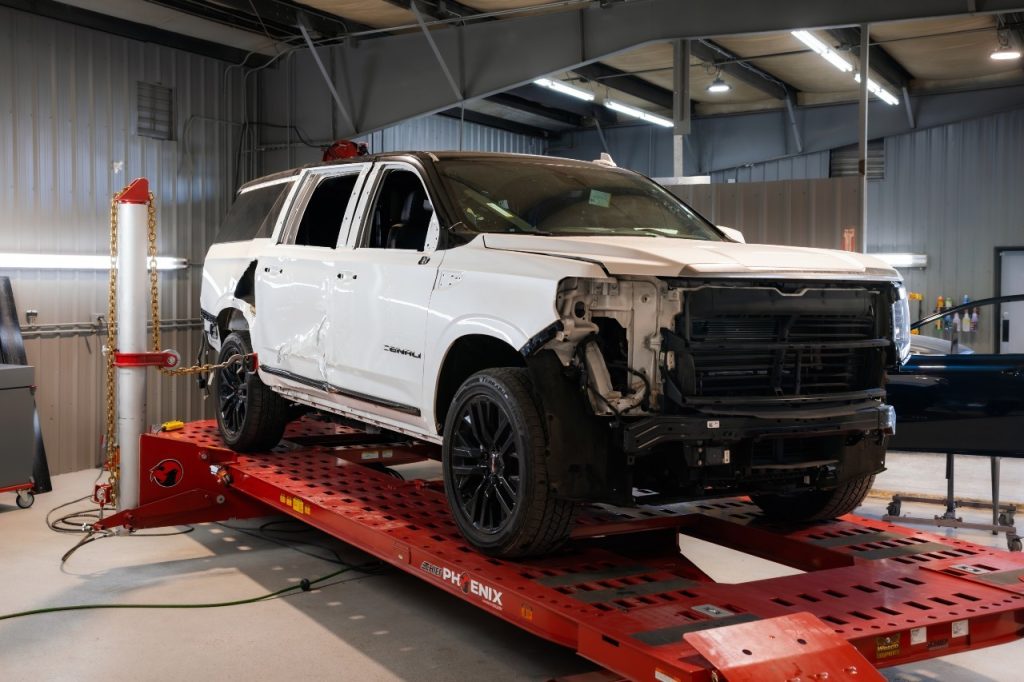
Minor frame damage typically involves small bends or misalignments in non-critical areas of the structure. In many cases, this can be corrected with precision measuring and hydraulic straightening to restore the vehicle to OEM specifications. The frame goes back to where it’s supposed to be, and the vehicle performs as designed.
Major frame damage is a different situation. Severe bending or twisting across multiple structural zones, or damage to critical safety structures like the A and B pillars, rocker panels, or floor rails, requires more extensive work. In cases where the repair cost approaches or exceeds the vehicle’s value, an insurance carrier may determine the vehicle is a total loss.
The only way to know which category you’re dealing with is a professional inspection. You can’t determine the extent of structural damage from the outside, and you shouldn’t have to guess. At Mathews Auto Body, walk-in estimates are free at both locations, no appointment needed.
What Proper Frame Repair Actually Looks Like
There’s a real difference between a shop that has the tools and training to perform structural repair correctly and one that doesn’t. Here’s what a qualified auto frame repair process involves.
Computerized frame measurement is the starting point. The vehicle is mapped in three dimensions and compared against the manufacturer’s exact specifications for that make and model. This isn’t a visual check. It’s a precise, documented measurement that identifies every deviation, including ones that are invisible to the eye.
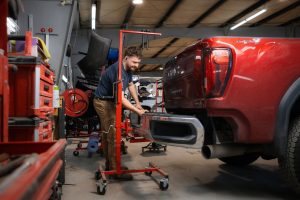
Hydraulic straightening comes next. Controlled force is applied in small, measured increments, with constant measurement throughout, until the frame returns to factory specifications. This isn’t a one-pull fix. It’s a careful, iterative process.
Verification against original specs happens before any other work proceeds. The frame has to be right before the rest of the repair can be right.
ADAS and sensor recalibration is a step that a lot of drivers don’t know about. Modern vehicles have cameras, radar, and sensors that are tied to the vehicle’s structural geometry. After any structural repair, those systems need to be recalibrated to manufacturer specifications. A sensor that’s even slightly out of position can disable or degrade safety features like automatic emergency braking, lane departure warnings, and blind-spot monitoring.
Final quality control covers alignment, suspension, structural connections, and electronics before the vehicle leaves the shop.
Not every shop has the equipment or the trained technicians to perform collision frame repair at this level. It’s worth asking before you commit.
What Happens When Frame Damage Goes Unrepaired
The consequences of skipping proper structural repair don’t always show up immediately. They tend to build.
Crumple zones that were compromised in a previous collision no longer perform as designed if the vehicle is hit again. Airbag sensors mounted to the frame or unibody can be affected by structural misalignment, altering the angles and thresholds at which they trigger. That means airbags may deploy late, not at all, or at the wrong threshold in a future impact.
Beyond crash performance, the day-to-day consequences stack up over time. Poor handling and reduced control at highway speeds. Accelerated suspension wear from components working at incorrect angles. Premature and uneven tire wear. Reduced fuel efficiency from increased rolling resistance. Alignment issues that can’t be permanently corrected because the structural root cause was never addressed.
Frame technicians regularly see vehicles that have been through multiple rounds of alignment work that never held. The alignment keeps going out because the frame underneath is still off. Fixing the symptom without fixing the cause is a cycle that costs more in the long run.
How Frame Damage Affects Resale and Trade-In Value
Frame damage shows up on vehicle history reports. Buyers know this, and dealers know this. When a prospective buyer or a dealer pulls the history on your car and sees prior frame damage, it affects what they’re willing to pay, and in some cases, whether they’re willing to buy it at all.
Proper, documented frame repair by a certified shop tells a different story. It shows that the damage was addressed correctly, with the right parts and the right process, and that there’s a paper trail to back it up. That documentation supports your vehicle’s value in a way that a patch job simply can’t.
OEM original parts matter here too. Aftermarket or improper repairs may not hold up to scrutiny at trade-in or resale. When a shop uses the exact same parts your car was built with and follows factory-approved repair procedures, the repair is defensible. It’s not just about how the car looks. It’s about what you can prove.
Why Tri-Cities Drivers Trust Mathews Auto Body for Frame Repair

Mathews Auto Body has been family-owned and operating in the Tri-Cities since 1981. That’s over 40 years of structural repairs, insurance coordination, and getting people back on the road safely. We’re not a corporate chain. We’re a local shop where the same family has been doing this work for decades, and our reputation is built on getting it right.
Our technicians are I-CAR Gold certified, which is the highest level of collision repair training in the industry. We’re an OEM-certified collision repair center for 12-plus manufacturers, meaning we’re factory-approved to repair those vehicles to manufacturer standards. We have computerized measuring systems and frame straightening equipment on site, and we use OEM original parts on every repair, even when an insurance company calls for aftermarket. Your safety isn’t something we cut corners on.
We work with all insurance companies and handle the process for you. Every repair is backed by a lifetime warranty. And if you’re not sure whether your vehicle has frame damage, you don’t need an appointment to find out. Walk in, and we’ll take a look.
Don’t Wait If Something Feels Off
If you’ve been in a collision and something doesn’t feel right, trust that instinct. A pull to one side, a door that’s not quite right, a warning light that wasn’t there before: these are worth getting checked. The longer structural damage goes unaddressed, the more it compounds.
A free walk-in estimate costs you nothing and gives you the information you need to make a good decision. No pressure, no appointment, no phone estimates. Just an honest look at what’s going on with your vehicle.
Stop by either of our Tri-Cities locations:
We work with all insurance companies and handle the process for you. Walk in anytime.