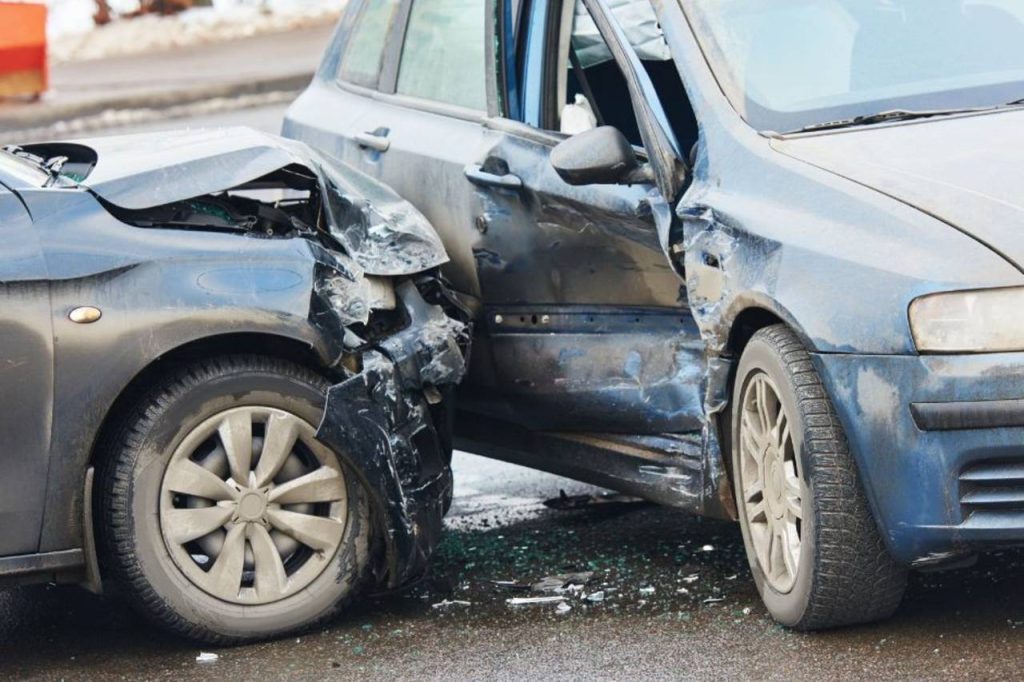
You’re driving down the road, and suddenly it happens: a screech of brakes, metal scraping metal, and that sinking feeling in your chest.
In the aftermath of a motor vehicle accident, you’re left with questions about safety, work quality, insurance claims, and where to get your car fixed. It’s stressful and time-sensitive.
Car crashes remain a common reality for drivers in the U.S. According to Consumer Shield, there are approximately 6 million reported incidents each year. Many of these result in property damage, injury, or costly collision repair, putting lives at risk on the road.
Looking to have your car repaired? Not all auto body shops deliver the same level of quality workmanship or safety standards. The choice you make affects structural integrity, resale value, and how your vehicle performs long after the repair work is complete.
Knowing what to look for in an auto body shop helps you stay informed, even under pressure. Here’s what we’ll discuss:
- Your rights after a collision
- What makes a quality auto body shop
- Work quality and safety considerations
- Insurance coordination and service expectations
- Red flags to watch for and questions to ask
Your Rights After an Accident
After a crash, decisions often happen fast. Tow trucks arrive, and calls from the insurance company begin.
In the middle of that pressure, many drivers feel they have little control over what happens next.
However, you do have rights. One of the most important is your right to choose your own shop, even if an insurance company suggests a specific location or points you toward preferred facilities used by major insurance companies.
Here’s what drivers should know:
- You are not required to use the facility recommended by your insurance company
- Preferred shops are often chosen for convenience and cost control, not always quality workmanship
- Searching for the best auto body shop near me allows you to prioritize safety and proper results
- You may select any licensed auto body repair provider you trust
Understanding these rights removes pressure during a stressful moment. Once you know you have a choice, you can focus on service, care, and long-term reliability.
What Makes a Quality Auto Body Shop
Not all facilities approach collision repair the same way. Some focus on speed and volume. Others focus on restoring vehicles properly, with attention to structure and long-term performance.
Factors that matter most include:
- Certifications and ongoing technician training
- Experience with collision repair and structural work
- Modern techniques and specialized equipment
- Commitment to manufacturer standards
Proper Certifications and Training
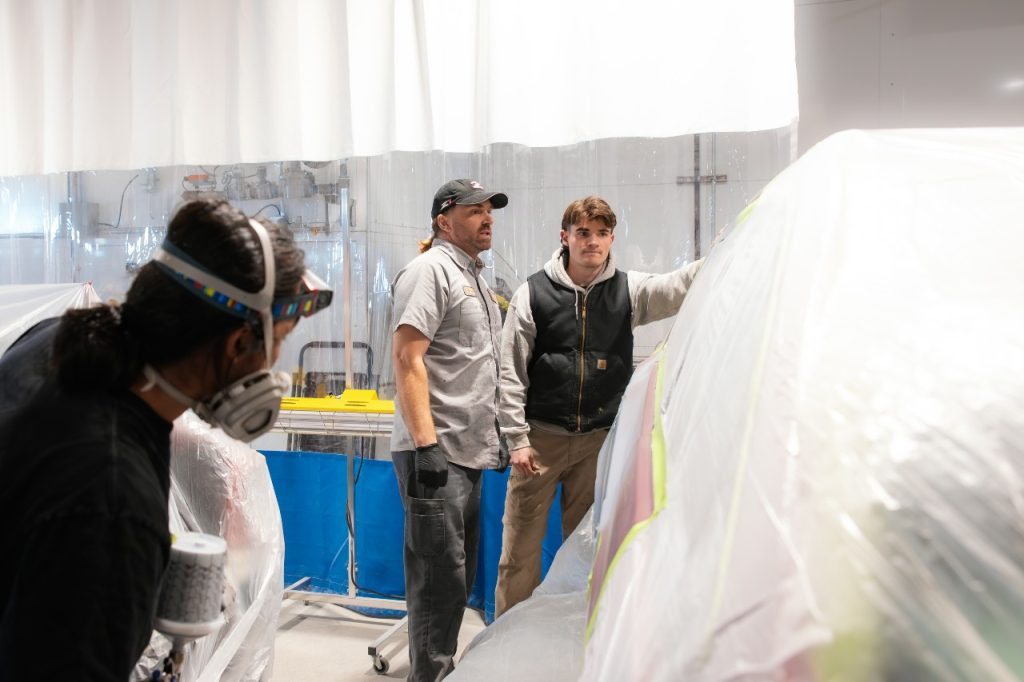
A quality facility invests in training and recognized certifications. These credentials reflect a commitment to repair standards rather than shortcuts.
Technicians who stay current with materials, methods, and safety requirements support consistent outcomes. That preparation also supports a more accurate estimate early in the job.
Experience With Collision and Structural Repairs
Collision damage often extends beyond what is visible. Structural misalignment, weakened components, and hidden issues require experience to identify and repair correctly.
An experienced collision repair provider understands how impacts affect safety systems and the vehicle structure. That expertise makes a real difference in long-term performance.
Use of Modern Repair Techniques and Equipment

Today’s vehicles rely on advanced materials and integrated technology. Aluminum panels, high-strength steel, and safety sensors require specialized tools.
A quality facility uses up-to-date equipment to perform auto body repairs accurately. Modern tools also support proper paint matching and safer vehicle outcomes.
Commitment to Manufacturer Repair Standards
Vehicle manufacturers publish repair procedures to protect safety systems, structural integrity, and long-term value.
Facilities that follow those standards restore vehicles as intended, helping preserve reliability after collision repair work is finished.
Certifications, Training, and Equipment
Certifications and equipment choices reflect how seriously a facility treats safety and service quality after a collision.
As vehicles become more complex, proper work depends on both the technician’s knowledge and the right tools. Older equipment and outdated methods can lead to incomplete results, even when damage appears minor.
Ongoing training shows that a team invests in doing the job right. That commitment supports consistent repair results and fewer surprises during the repair process.
Equipment also matters. Frame measurement systems and calibration tools help restore vehicles to proper specifications. That investment supports customers who want safe outcomes, not cosmetic fixes.
Repair Quality and Safety Considerations
After a collision, the results affect more than a vehicle’s appearance. Quality workmanship affects how people are protected in the event of future impacts.
According to the National Highway Traffic Safety Administration, more than 43,000 people were killed in motor vehicle crashes in a single year. That reality shows why incomplete work can cost lives long after a car leaves the facility.
Important safety factors to evaluate include:
- Structural integrity and frame alignment
- OEM or manufacturer-approved replacement parts
- Proper restoration of airbags and safety sensors
- Verification and documentation
How Repair Quality Affects Vehicle Safety
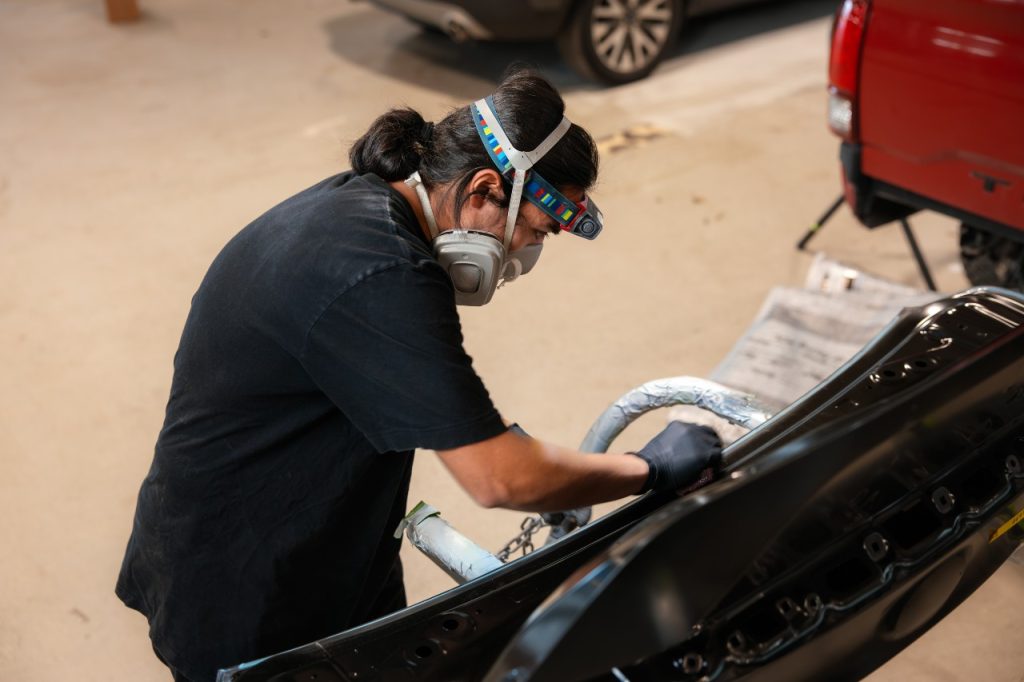
Repair quality affects more than how a vehicle looks after repairs are finished. It affects how structural components, safety systems, and replacement parts perform in the event of another collision.
Incomplete repairs create hidden risks. A vehicle may look finished while critical systems remain compromised. Choosing a trusted provider helps protect lives, passengers, and long-term reliability.
Insurance Coordination and Communication
Claims add stress after a collision. A quality provider helps manage that process while keeping customers informed.
A good provider should:
- Work directly with the insurance company
- Explain estimates and supplements clearly
- Document damage thoroughly to support collision repair
- Communicate delays or changes promptly
- Provide transparency around timelines, service expectations, and delivery
Clear updates reduce confusion and build trust. They also help customers schedule appointments, plan transportation, and keep the process moving.
Reviews, Reputation, and Local Experience
Reviews help show how a repair shop operates once the estimate is written and the vehicle is in the bay. Patterns matter more than praise alone. Consistent comments about communication, timelines, and post-repair issues often reveal how a shop handles real-world complications.
Local experience adds another layer of accountability. Shops that have served the same community for years tend to rely on repeat customers and word of mouth, not on volume alone.
Vehicle type doesn’t change the standard. Whether it’s a luxury car, a work truck, or a daily commuter, the expectation stays the same. Repairs should protect safety systems, structural integrity, and long-term reliability—not just appearance.
Red Flags to Watch For
Pressure after a collision can make warning signs easy to miss. Paying attention early helps drivers avoid long-term issues.
Red flags include:
- Vague or verbal-only estimates
- Poor follow-up
- Rushed inspections
- Pressure to use a specific shop
- Unclear warranties
These issues often indicate deeper problems in how a shop handles repairs. A lack of clear answers, written documentation, or willingness to slow down usually shows up later as missed damage, delays, or unresolved safety concerns. How a shop communicates mirrors how it will handle the repair itself.
Questions to Ask Before Choosing an Auto Body Shop

What certifications do your technicians hold?
Certifications indicate whether technicians are trained to repair modern vehicles in accordance with current standards and procedures.
Do you use OEM or manufacturer-approved replacement parts?
Approved parts are designed to fit properly and support the performance of safety systems after repairs.
How will you communicate updates during the repair process?
Clear, consistent updates help prevent surprises and keep timelines and expectations aligned.
Is there a written warranty on the completed repairs?
A written warranty shows that a shop stands behind its work after the vehicle is returned.
Taken together, these answers offer a clear view into how a shop handles safety, communication, and long-term reliability.
Make a Confident Choice After an Accident
After a collision, choosing the right provider affects safety, reliability, and long-term performance. Quality collision repairs matter more than speed alone, and the difference shows up over time.
Now serving the Kennewick and Pasco communities in the greater Tri-Cities area, Mathews Auto Body focuses on safe repairs and clear communication, with straightforward answers about parts, timelines, and financing.
If you want straight answers and a plan you can trust, you’re in good hands with a local shop that treats safety as the mission, not a slogan. Contact Mathews Auto Body for a professional repair consultation and estimate, and get clear guidance on your repair options after an accident.