You walk out to your driveway and find a jagged crease across the door. The initial shock quickly turns into a search for a collision repair shop that will treat you right. You need to know immediately if this is a cosmetic fix or if the impact caused a deeper structural failure.
According to the National Association of Insurance Commissioners, the average collision claim exceeds $5,000 nationwide. That figure often reflects structural damage, not just cosmetic dents. That difference directly affects long-term safety and performance.
Choosing the wrong service category leads to lingering mechanical issues and voided warranties. Professional transparency and specialized equipment form the foundation of a reliable restoration.
Inside this guide, we will clarify:
- The difference between surface-level minor dents and hidden frame misalignment.
- Why modern safety sensors require specialized recalibration after an impact.
- The insurance claim process for major structural restoration.
- Questions to ask a technician before authorizing any work.
What Is Auto Body Repair?
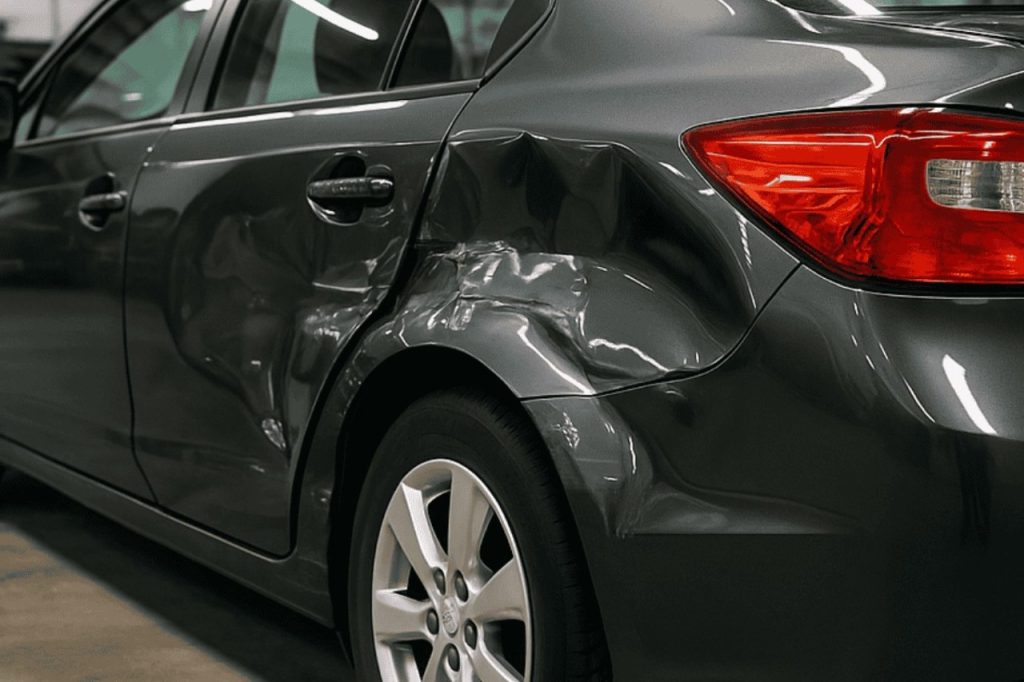
Auto body repair focuses on restoring a vehicle’s exterior appearance after non-structural damage. It corrects visible flaws that affect how the vehicle appears without altering its internal safety framework. These repairs improve aesthetics while protecting exposed surfaces from further deterioration.
This type of service typically addresses cosmetic damage rather than mechanical failure. The goal is to return the vehicle to its original visual condition. Structural components and crash-management systems are not the primary focus.
Repairing Exterior Panels and Surface Damage
Auto body repair commonly addresses dents, scratches, chipped paint, and minor bumper damage. These issues may result from parking lot incidents, hail, vandalism, or low-speed contact. The damage affects the exterior panels but does not compromise the frame.
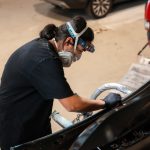
Technicians reshape metal panels, apply fillers where necessary, and sand the surface to prepare it for refinishing. Precision tools help restore smooth contours and eliminate visible imperfections. Proper surface preparation determines the quality of the final result.
Paint Refinishing and Cosmetic Restoration
Refinishing plays a major role in auto body repair. Professionals use digital color-matching systems to replicate the original factory paint code. This technology accounts for fading and environmental wear over time.
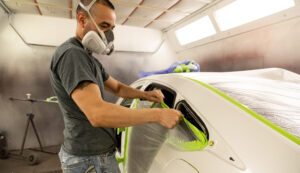
Controlled spray booths provide a clean environment for the application of primer, base coat, and clear coat. Multiple layers build depth, gloss, and long-term durability. The finished surface blends seamlessly with the surrounding panels while shielding the metal from corrosion.
What is Collision Repair?

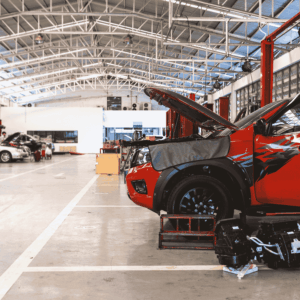
Collision repair addresses the deep structural and mechanical damage caused by a vehicle impact. This collision repair process goes beyond the surface to verify the car remains safe for future travel. Specialized equipment is necessary to return the vehicle to its original factory specifications.
Restoring Structural and Frame Integrity
Technicians use laser-guided systems to identify even the smallest shifts in your vehicle’s frame. This precision is vital because a bent chassis compromises the entire safety cage of the car. Straightening the frame requires immense hydraulic force and expert technical oversight.
Proper alignment guarantees that the vehicle handles correctly at high speeds and in emergencies. If the frame remains even slightly off, your tires will wear unevenly, and steering will feel unstable. Quality collision repair prioritizes this hidden structural health over simple exterior aesthetics.
Restoring Safety and Mechanical Systems
A significant impact can damage components such as the radiator, suspension, or engine mounts. Collision specialists inspect these systems to confirm the vehicle is roadworthy. Replacing them requires understanding how they connect to overall safety performance.
Modern cars also feature complex crumple zones designed to absorb energy during a crash. These areas must be replaced with exact manufacturer parts to maintain their life-saving capabilities.
Restoring these systems provides your vehicle with maximum protection in the event of a future incident.
Where Auto Body Repair and Collision Repair Overlap
Many repair projects require a combination of cosmetic and structural expertise. These two disciplines often meet during the final stages of a major restoration. Understanding this overlap helps you appreciate the full scope of your vehicle’s recovery.
| Feature | Auto Body Repair | Collision Repair |
| Primary Focus | Aesthetics and Exterior | Structure and Safety |
| Common Tasks | Dent Removal and Painting | Framework and Mechanics |
| Typical Cause | Wear, Hail, or Vandalism | Vehicle Impacts |
| Key Goal | Visual Restoration | Operational Integrity |
Seamless Integration of Specialized Skills
Technicians must often stabilize the vehicle’s frame before addressing minor exterior dents. The process helps the shop fit new body panels together perfectly, with no gaps or rubbing. A successful repair balances structural strength and exterior precision.
Most shops employ specialists who understand both the mechanical and aesthetic requirements of a fix. Knowledgeable specialists prevent safety issues from being hidden under a fresh coat of paint. You receive a vehicle that is both visually stunning and structurally sound.
The Critical Role of Paint Matching
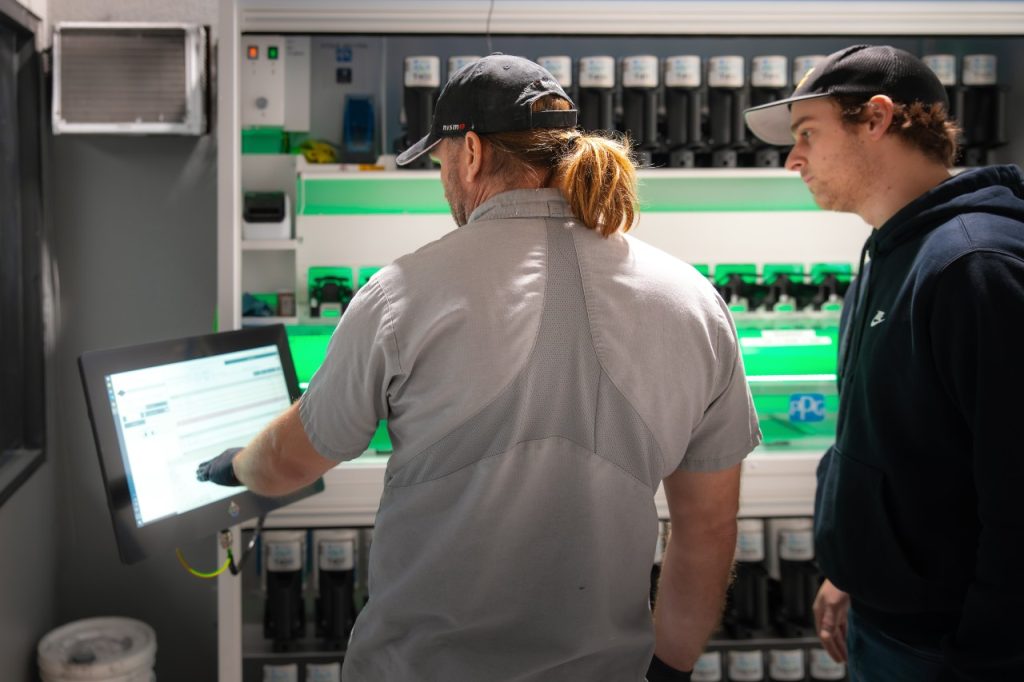
Both service types require high-end refinishing to make the vehicle look brand new. Technicians use digital cameras to scan your existing color for a perfect chemical match. The step is the final bridge between structural work and cosmetic perfection.
Applying the paint requires a temperature-controlled booth to prevent contamination from dust and debris. Multiple layers of clear coat provide a durable shield against future damage. The process guarantees that the repaired area is indistinguishable from the original factory finish.
Structural vs. Cosmetic Damage
Visual inspections often fail to reveal the true extent of automotive damage. A car that looks fine on the outside may harbor significant internal flaws. Distinguishing between these two categories is vital for your long-term safety.
Identifying the Dangers of Structural Damage
Structural damage affects the core chassis and crash-management systems of your vehicle. The Insurance Institute for Highway Safety notes that modern vehicles rely on precisely engineered crumple zones to protect occupants.
Even low-speed impacts can disrupt that structure, shifting alignment points that are not visible to the naked eye. Specialized equipment is required to detect and restore these critical components accurately.
Managing the Aesthetics of Cosmetic Damage
Cosmetic damage refers to surface issues that do not impact the vehicle’s operation. This includes shallow scratches, minor dents, and chipped paint on plastic bumpers. While these problems may seem frustrating, they generally do not pose a threat to your physical safety.
Repairing these blemishes promptly remains important to prevent metal oxidation and rust. Modern refinishing techniques allow technicians to repair these areas without replacing the entire panel. Maintaining a clean exterior will help your vehicle retain its highest possible market value.
The Repair Process Explained
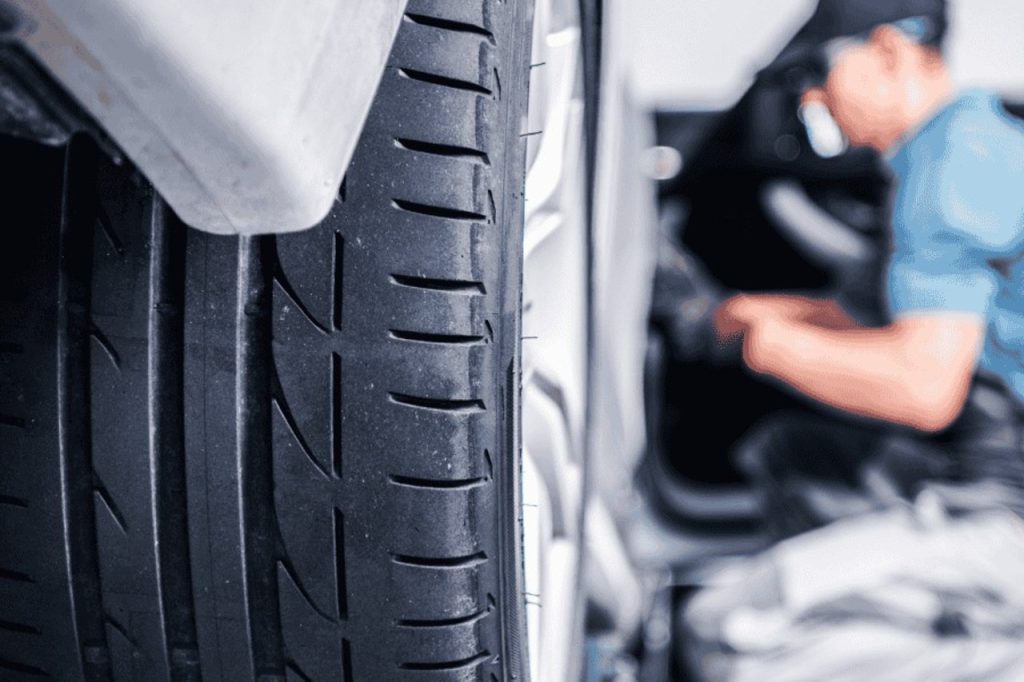
A professional repair follows a strict sequence to verify nothing is overlooked. This systematic approach guarantees that both cosmetic and structural issues are resolved. You can track your vehicle’s progress through each specialized stage of the restoration.
Initial Inspection and Insurance Coordination
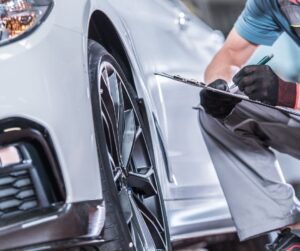
The process begins with a detailed visual and digital scan of the damage. Technicians document every finding to provide an accurate estimate for your insurance company. Transparent communication is important to understanding that all repairs are necessary.
Coordinating with insurance companies requires precise record-keeping and professional expertise. Your body shop acts as your advocate to verify that only quality parts are used for the repair. The foundation for an efficient repair starts here.
Disassembly and Final Quality Control
Technicians carefully disassemble the impacted area to check for hidden structural problems. Internal damage that is often missed during a surface-level estimate can be revealed here. Identifying these issues early prevents delays.
Once repairs are complete, the vehicle undergoes a rigorous final inspection and road test. Specialists confirm that each sensor is operational and that the paint finish is flawless. Quality control provides the peace of mind you deserve before driving away.
Insurance Considerations
Moving through an insurance claim can be more stressful than the accident itself. Clear communication with your insurance company helps move the restoration forward. You should understand your policy limits before authorizing any major structural work.
Managing Claims and Deductibles
Your insurance company uses an adjuster to estimate the cost of repairs for visible damage. The initial figure often changes once a technician inspects the vehicle’s internal frame. You are responsible for paying your deductible directly to the repair facility.
Proper documentation covers all necessary safety restorations for your insurance claim. We work with adjusters to explain why specific manufacturer parts are required. This collaboration prevents you from paying out of pocket for necessary structural repairs.
The Right to Select Your Shop
Many insurance companies suggest specific “preferred” shops to handle your insurance claim. However, you have the legal right to choose any licensed repair facility.
If your vehicle’s safety is the top priority, selecting the right body shop is the first step. A local independent collision repair shop often provides more personalized attention to your specific needs. They focus on quality results rather than meeting high-volume quotas for insurance companies.
Modern Vehicle Technology & Repairs
Modern vehicles contain advanced technology that significantly changes how repairs are performed. Even minor impacts can affect internal systems that are not visible during a surface inspection. Proper restoration now requires digital diagnostics alongside physical repairs.
Auto body repair vs collision repair becomes more complex with integrated electronics and specialty materials. Safety systems depend on exact calibration and manufacturer procedures to protect occupants.
Advanced Driver Assistance Systems (ADAS)
Many vehicles now rely on advanced driver assistance systems such as lane departure warning and automatic emergency braking. These systems use cameras, radar, and sensors mounted throughout the vehicle. Even a small shift in panel alignment can disrupt their accuracy.
After structural or panel repairs, recalibration is often required. Specialized equipment resets sensor positioning to manufacturer specifications. Without proper recalibration, safety features may not function as designed.
Specialty Materials and Manufacturer Standards
Modern vehicles frequently use aluminum, high-strength steel, and composite materials. These materials require specific welding techniques and temperature controls during repair. Improper handling weakens structural integrity and long-term durability.
Manufacturer repair standards dictate how damaged components must be replaced or restored. Following OEM procedures protects crash-test performance and warranty coverage. Certified repair facilities invest in training and equipment to meet these evolving requirements.
Choosing the Right Repair Shop
Selecting a body shop that masters both aesthetic and structural repairs protects your investment. A superficial fix might look good, but it hides dangerous frame issues. You need a partner who prioritizes factory-standard restoration over quick patches.
Trusting a professional team will help maintain your car’s resale value for years. A true commitment to quality means every sensor is calibrated to meet i-car standards or strict manufacturer specifications. Look for certified technicians, written estimates, and a warranty that backs the workmanship.
Common Questions Drivers Ask
Is my car safe to drive after an accident?
Visual inspections often miss internal damage to the steering or suspension. You should never assume a car is safe just because it still runs. A professional evaluation identifies hidden risks before you return to the road.
Can minor damage become worse over time?
Exposed metal will quickly oxidize and lead to spreading rust problems. Small cracks in plastic bumpers also weaken the vehicle’s secondary impact protection. Fixing minor dents and scratches now prevents much more expensive repairs in the future.
Will the paint match perfectly?
Modern shops use digital scanners to create an exact chemical color match. This process accounts for original factory codes and any minor sun fading. Your new finish will blend seamlessly with the rest of the vehicle.
How long will repairs take?
The timeline depends on parts availability and the complexity of structural damage. Most cosmetic fixes take a few days while major collisions require more time. We provide regular updates to get you back on the road as quickly as possible.
Restored to Protect What Matters Most
We take pride in restoring every vehicle to peak safety and aesthetic condition. Our team understands your car is a vital protector for your family. You can trust us to provide honest assessments and factory-standard repairs.
Choosing Mathews Auto Body means choosing precision and uncompromising quality. We use advanced diagnostic tools to verify that every weld and sensor calibration is flawless. Our commitment keeps your vehicle’s resale value high and your safety even higher.The road ahead is smoother with a team of experts in your corner. Let us handle the insurance and repairs while you focus on life. Contact Mathews Auto Body for a professional inspection and expert guidance on whether your vehicle needs auto body repair or full collision repair.